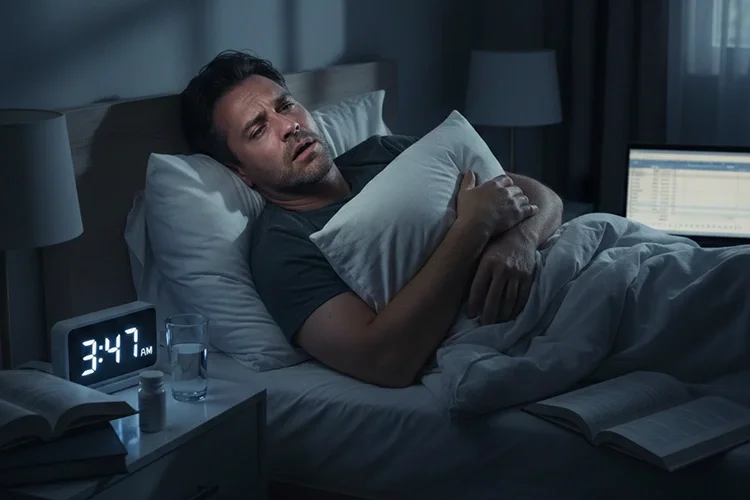
Is Your Cozy Blanket a Hazard? Solving Winter’s Surge of Neck Pain and Back Pain
Woman using a smartphone on a couch with poor, head-down posture. (Image: AI-generated)
As winter settles in, we naturally spend more time indoors, often curling up on the sofa or in bed with a smartphone or tablet. While these positions seem relaxing, they are often the most dangerous postures for your neck and spine, leading to significant discomfort!
Many patients at our clinic report a noticeable increase in "Text Neck" and lower back pain during the colder months. Let's analyze the bad habits that thrive in comfort and provide professional solutions for a healthy spine.
What is Text Neck?
Text Neck is a modern term referring to the chronic neck pain and posture deformation caused by holding your head forward and down while looking at mobile electronic devices (smartphones, tablets) for extended periods.
This posture places excessive strain on the cervical spine (neck bones).
Primary Cause
The act of looking down at a screen for long durations.
Effects
Stiffness and pain in the neck and shoulder muscles, increased risk of cervical disc issues, and the development of Forward Head Posture (commonly known as "Tech Neck").
Prevention
Maintain the device screen at eye level, take frequent breaks, and perform regular neck and shoulder stretches.
The Peril of Being Too Comfortable
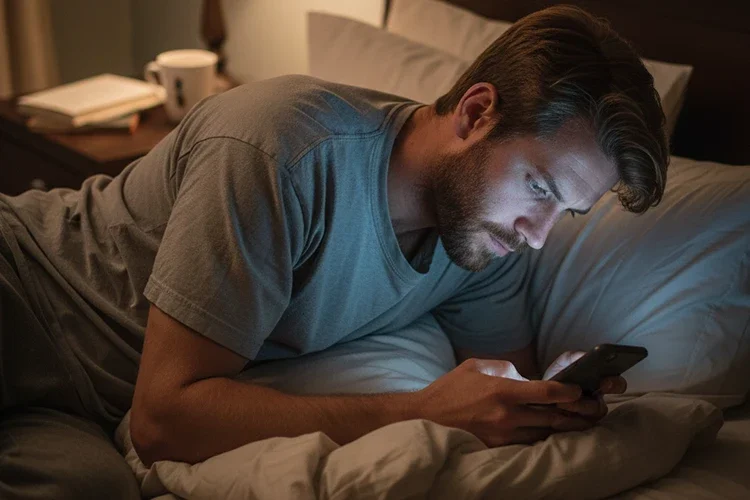
Man with poor posture using a phone in bed. Illustrates habits causing neck and back pain. (Image: AI-generated)
When looking down at a screen while lying down or slouching on a sofa, we unconsciously adopt a posture characterized by a forward head position (Text Neck) and a rounded lower back.
Text Neck Acceleration
Tilting your head forward just 15 degrees already places about 26.5lbs of force on your neck—the weight of a bowling ball. Tilting it 60 degrees increases the pressure to a staggering 59.5lbs. Sustained over time, this excessive strain overtightens the neck muscles, straightens the natural C-curve of the cervical spine, and leads to chronic Text Neck.
Back Pain Invitation
The plush environment of a bed or sofa fails to support the natural S-curve of the lumbar spine. Slouching or lying on your stomach creates high pressure on the spinal discs, which can lead to chronic lower back pain and even contribute to disc herniation.
Environmental Setup Guide for Ideal Posture

Woman using a tablet in bed, supported by pillows. Illustrates correct posture by keeping the screen at eye level to prevent head slumping. (Image: AI-generated)
You can enjoy warmth and maintain spinal health simultaneously by creating a "Good Posture" environment.
Chair and Desk Height:
When seated, your knees should be at a 90-degree angle, with your feet flat on the floor.
The desk height should allow your forearms to rest comfortably, keeping your elbows bent at 90 to 100 degrees.
Screen Height:
Use a stand to position your monitor or tablet screen at or slightly below eye level. (This prevents head tilting!)
Cushion/Pillow Utilization:
Lumbar Support: Use a supportive cushion behind the curve of your lower back (lumbar spine) when sitting to help maintain the essential S-curve.
In Bed/on Sofa: If you must use a device while relaxing, use firm pillows to prop up your back and elbows so your screen is directly in front of your eyes, preventing your head and neck from slumping forward.
5-Minute Spine Relief Stretches (Do This Often!)
If you’ve been sitting for a long period or using your device non-stop, take just 5 minutes to release muscle tension.
1. Chin Tuck
This is an essential exercise for correcting Forward Head Posture (Text Neck).
How to: Gently pull your chin straight back as if you are trying to make a double chin, keeping your gaze level and parallel to the floor. Be careful not to tilt your head up or down.
Benefit: Strengthens the deep neck flexors and helps reposition the head over the shoulders.
Perform: Hold the position for 5 seconds, repeat 5 times.
2. Upper Trapezius Stretch
Relieves tension in the neck muscles, which often contributes to tension headaches.
How to: Hold the seat of your chair or your knee with one hand. Place the opposite hand over your head. Gently pull your head diagonally downward (towards your opposite armpit).
Benefit: Releases tension in the Upper Trapezius and other lateral neck muscles.
Perform: Hold for 15 seconds, repeat 2 times on each side.
3. Cat-Cow Pose
A core movement for increasing overall spinal flexibility.
How to: Start on your hands and knees in a tabletop position.
Cat Pose: Round your back toward the ceiling and tuck your chin toward your chest. (Spinal flexion/release)
Cow Pose: Drop your belly toward the floor, lift your chest, and look toward the ceiling. (Spinal extension)
Benefit: Gently loosens up the entire spine and helps alleviate general back stiffness.
Perform: Repeat the cycle slowly with your breath 5 times.
4. Knee-to-Chest Stretch (Supine)
A gentle way to relieve tension in the lower back muscles and glutes.
How to: Lie comfortably on your back. Bring one knee toward your chest, clasping your hands around your knee. Keep the opposite leg straight on the floor.
Benefit: Stretches the muscles around the lumbar spine and sacrum, helping to reduce chronic lower back pain.
Perform: Hold for 15 seconds per leg, alternating sides, 2 repetitions each.Image Generation: Stretching for Good Winter Posture
Check Your Posture Now
The increase in indoor activity during winter makes focusing on spinal health more crucial than ever.
Avoid postures that place undue stress on your neck and back for temporary comfort. Instead, embrace regular stretching and proper environmental setup for a pain-free, healthy winter.
If your pain persists, please consult with our clinic specialists for an accurate diagnosis and personalized treatment plan.
This post is for educational purposes only. Please read our full Medical Disclaimer here.