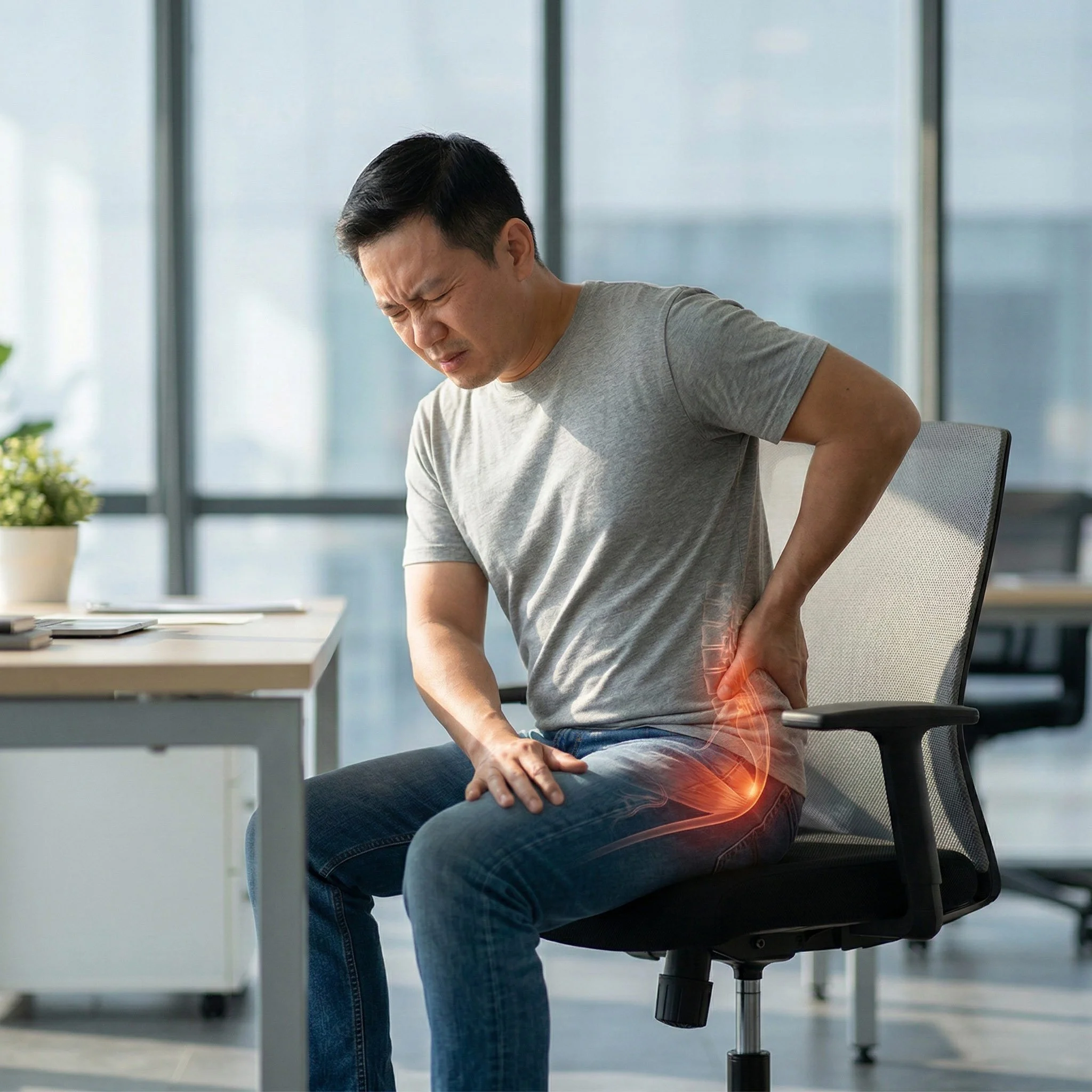
Sex and Muscle Pain: A Surprisingly Natural Way to Feel Better

Intimacy isn't just emotional—it supports physical relaxation and recovery. Even simple shared moments after sex can aid in reducing stress and muscle tension.
When your muscles ache, most of us think of stretching, massage, ice packs, or over-the-counter pain relievers.
But what if one of the most natural ways to relieve muscle pain is already in your bedroom?
Yes, you read that right. Sex may actually help ease sore muscles—and science has a lot to say about why.
Endorphins: The Body’s Natural Pain Management
During sexual activity—especially leading up to and during orgasm—your body floods itself with endorphins, neurotransmitters that act like natural opioids.
These “feel-good” chemicals not only lift your mood but reduce pain perception.
That post-orgasm glow isn’t just for Instagram. It’s your brain saying, “Relax, you’re good.”
Endorphins are known to help alleviate:
Muscle tension
Menstrual cramps
Tension headaches
General body aches
Promoting Full-Body Muscle Relaxation

Physical intimacy promotes not only emotional connection but also muscle relaxation and stress relief—key factors in managing pain naturally.
Physical intimacy functions as a form of active recovery. It increases blood circulation and oxygen delivery throughout the body.
Following the peak of activity, the nervous system shifts into a state of deep relaxation, helping to release the "guarding" reflex—a common phenomenon where muscles tighten up to protect a painful area.
Restorative Sleep for Muscle Recovery
Following intimacy, the brain releases oxytocin and prolactin, hormones closely linked to calmness and restorative sleep.
Quality sleep is the cornerstone of any rehabilitation process because it is essential for:
Accelerating muscle tissue repair
Regulating systemic inflammation
Restoring hormonal balance
In essence, a restful night supported by these natural hormones can lead to improved physical function the next day.
Stress Reduction and the Nervous System

Intimacy nourishes both body and mind—offering comfort, stress relief, and even pain reduction through emotional and physical connection.
Stress is one of the biggest contributors to tight muscles and chronic pain.
Sex in a safe, emotionally positive context can lower cortisol levels, calming the nervous system and releasing tension.
Emotional release often leads to physical release. Work stress, emotional overload, or just general tension—intimacy can help your body unwind.
When Sex Helps—and When It Doesn’t
While sex can be a surprisingly effective natural tool for pain relief, it isn’t a replacement for professional care, especially in cases of:
Acute injuries or structural damage
Nerve-related disorders (like sciatica)
Chronic conditions requiring a specialized treatment plan
However, integrated into a holistic self-care routine,
sex can support:
Physical recovery
Stress management
Emotional well-being
Bottom Line
Physical intimacy is more than just a personal connection; it is a physiological process that supports the body's healing environment. By integrating healthy intimacy with a holistic pain management routine, you can support your body’s journey toward long-term recovery and well-being.
Disclaimer: This post is for educational purposes only. Please read our full Medical Disclaimer here.