Winter Sports Injuries: Common Risks & How to Prevent Them
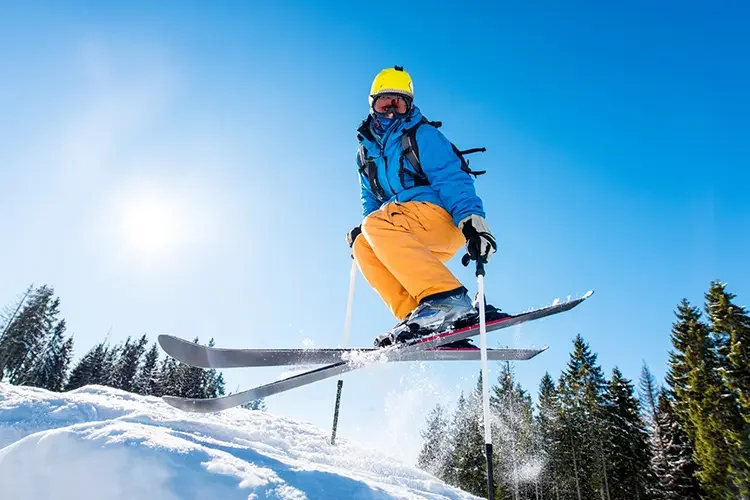
A skier glides down a snow-covered mountain on a winter day.
Winter is one of the most active seasons for sports lovers in the U.S. From skiing and snowboarding to ice skating and hockey, millions of people head outdoors and onto the ice.
But with increased activity comes a higher risk of injuries—especially to the knees, wrists, shoulders, and spine.
In this guide, we’ll break down the most common winter sports injuries and how proper treatment and prevention can keep you safe all season.
Most Popular Winter Sports in the U.S.
Skiing
Snowboarding
Ice skating
Ice hockey
Sledding & tubing
Winter running
Winter hiking
These activities bring excitement, but also unique injury risks.
1. Skiing Injuries
Skiing is one of the most injury-prone winter sports.
Most common injuries:
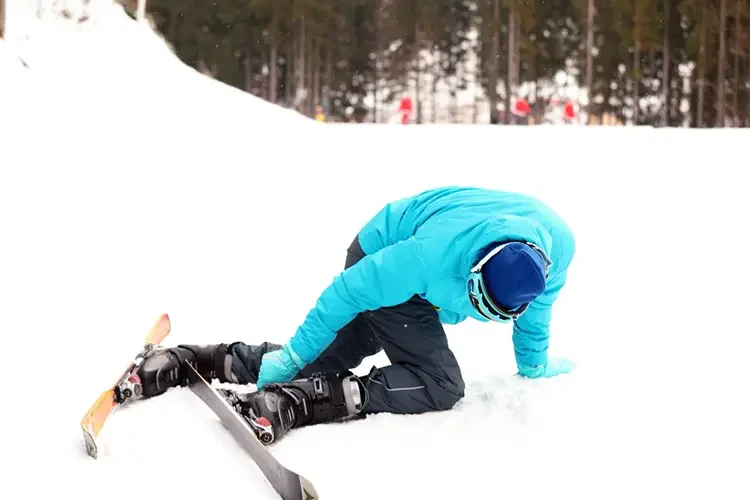
A male skier loses balance and falls on a snow-covered slope.
ACL tears & MCL sprains
ACL Tear: An ACL tear is an injury where the anterior cruciate ligament in the knee is stretched or torn, usually from sudden twisting or stopping during sports.
MCL Sprain: An MCL sprain is an injury to the medial collateral ligament on the inner side of the knee, often caused by impact or the knee bending inward.
Skier’s thumb (ligament injury in the thumb)
Shoulder dislocation
Lower back strain
Why it happens: high-speed turns, falls, sudden twisting.
2. Snowboarding Injuries
Snowboarders fall differently than skiers—often backward or on their hands.
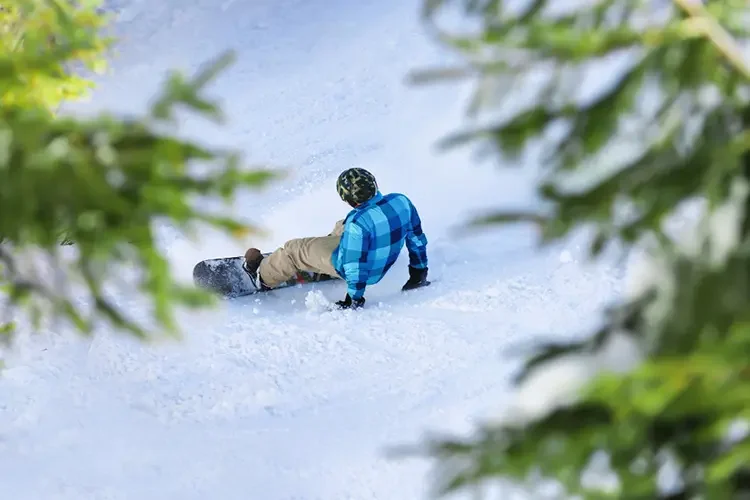
A male snowboarder loses balance and falls on a snowy mountain slope.
Common injuries include:
Wrist fractures
Ankle sprains
Shoulder injuries
Concussions
Beginners are especially at risk due to balance challenges.
3. Ice Skating & Ice Hockey Injuries
Both recreational skaters and hockey players share similar injury patterns.
Common injuries:
Wrist fractures from falls
Tailbone bruising
Hip injuries
Concussions (especially in hockey)
4. Sledding & Tubing
These injuries often come from speed and sudden impact.
Common injuries:
Neck and low back injuries
Head trauma
Joint sprains
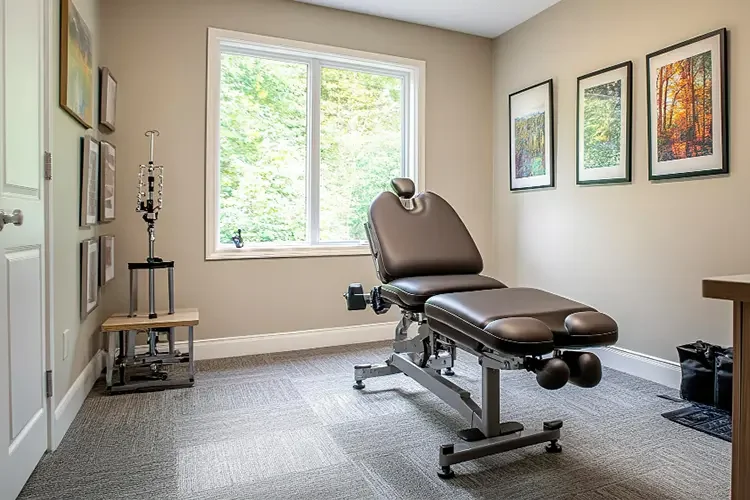
A clean rehab treatment room featuring therapy tables and exercise equipment.
How We Treat Winter Sports Injuries
Early evaluation and treatment lead to faster recovery.
Treatment options we offer:
Chiropractic adjustments for spine and joint alignment
Soft tissue therapy
Physical rehabilitation
Joint injections (if applicable to your clinic)
Post-injury mobility and strengthening programs
With proper care, most winter sports injuries recover well without surgery.
How to Prevent Winter Injuries
Warm up at least 10 minutes before activity
Strengthen core and leg muscles
Wear proper equipment (helmet, wrist guards, knee support)
Stay hydrated
Avoid icy areas and overcrowded slopes
Take lessons if you’re a beginner
When to Seek Care
Pain lasts more than 48–72 hours
Swelling or bruising increases
Difficulty bearing weight
Numbness or tingling
Head injury symptoms
This post is for educational purposes only. Please read our full Medical Disclaimer here.