How Stress and Sleep Affect Your Pain More Than You Think
A man suffers from stress-induced sleep deprivation in a dark bedroom. (Image: AI-generated)
I’ve seen many patients frustrated because their pain doesn't match their imaging results.
The truth? Pain is not just about what shows up on an MRI—it’s about how your nervous system processes life.
Stress: The Amplifier of Pain
Stress acts as a volume knob for your pain. When you are under constant stress, your nervous system stays in a heightened “alert” state.
Nervous System Sensitization
Stress makes your brain perceive normal sensations as painful. This is why many people say, "Nothing is seriously wrong on the scans, but everything hurts."
Prolonged Muscle Tension
Emotional stress leads to physical bracing, keeping your muscles tense and worsening the pain.
Sleep: The Body’s Natural Repair Shop & Analgesic
Sleep is the only time your body can perform essential maintenance.
It helps manage pain in two critical ways:
The Brain’s Pain Filter
During deep sleep, the brain regulates neurotransmitters like endogenous opioids—your body's natural painkillers. Sleep deprivation breaks this filter, lowering your pain threshold.
Chemical Cleanup
Sleep regulates pro-inflammatory cytokines. Without enough rest, inflammation increases, and the growth hormones needed to repair damaged tissues are not released.
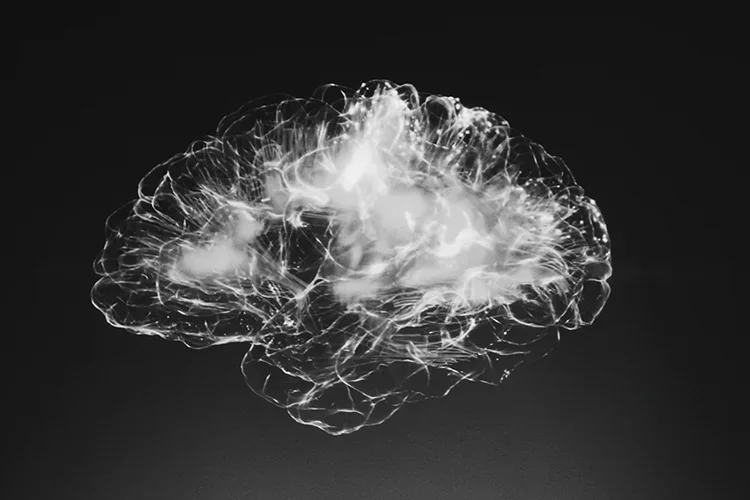
Brain concept abstract image. Photograph: Alina Grubnyak / Unsplash
The Vicious Cycle
Stress, Sleep, and Pain
These three factors are deeply interconnected.
Pain makes it hard to sleep, and poor sleep increases stress and pain sensitivity.
If you treat the pain alone without addressing this cycle, your recovery will be limited.
Why Imaging Doesn’t Always Tell the Full Story
Pain is influenced by more than just structural damage. It is shaped by:
Nervous system sensitivity
Hormonal balance (Cortisol, Growth Hormones)
Sleep quality & Emotional stress
This is why two people with the same bulging disc can have completely different levels of pain.
A More Complete Approach to Recovery
Effective pain management requires a holistic strategy:
Movement-based rehab
to restore function.
Gradual nervous system calming
to lower the "volume" of pain.
Optimizing sleep hygiene
to allow for biological repair.
Pain is complex.
To achieve long-term recovery rather than just temporary relief, you must look at the whole picture.
When you improve your sleep and manage your stress, you give your body the environment it needs to truly heal.
This post is for educational purposes only. Please read our full Medical Disclaimer here.