Why Cold Weather Can Make Post‑Accident Pain, Joint Pain, and Back Pain Worse
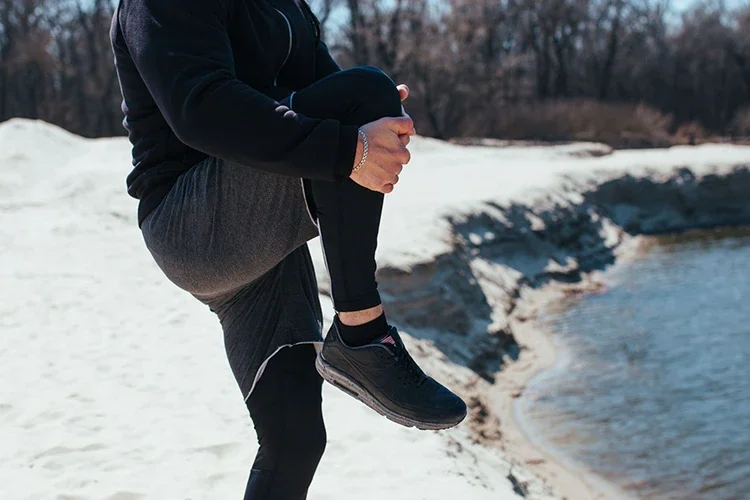
A man is performing leg stretches outside during cold winter weather, wearing warm workout clothes to stay active despite low temperatures.
When temperatures drop, many people notice that their post‑accident pain, joint pain, or back pain becomes noticeably worse. This is a very common winter complaint. Cold weather affects the muscles, joints, nerves, and even old injury sites—causing stiffness, soreness, and flare‑ups.
This article combines all three topics to explain why winter pain happens and what you can do to feel better.
Why Cold Weather Worsens Post‑Accident Pain
After a car accident, injured tissues—muscles, ligaments, discs, and nerves—become more sensitive. Cold weather can trigger:
Muscle tightening
Low temperatures cause muscles to contract, reducing flexibility and making previous injury sites feel stiffer.
Scar tissue sensitivity
Scar tissue from whiplash or back injuries has less elasticity and reacts strongly to temperature drops.
Increased nerve sensitivity
Cold weather and pressure changes can irritate nerves affected by the accident—often leading to neck pain, low back pain, or sciatica.
Joint Pain
Many people feel more joint discomfort in the winter, even without a prior injury—but especially if they have arthritis or previous trauma.
Why joints hurt more in the cold:
Lower barometric pressure
Increases joint swelling and stiffness.
Reduced blood flow
Makes cartilage and surrounding tissues less flexible.
Synovial fluid thicken
Makes joints feel heavier and harder to move.
This can affect:
Knees
Hips
Shoulders
Small joints in the hands and feet

A man sits on a bed holding his neck and lower back, showing common neck and back pain.
Back Pain
Cold weather doesn’t create back injuries—but it absolutely triggers flare‑ups in people with:
Herniated discs
Muscle strains
Sciatica
Post‑accident lumbar injuries
Why back pain increases in winter:
Muscles around the spine tighten to preserve body heat.
Inactivity increases during cold months.
Barometric pressure affects spinal joints (facet joints) and disc hydration.
Cold‑induced tension aggravates nerve compression.
Common Symptoms That Get Worse in Cold Weather
Neck stiffness (especially post‑whiplash)
Lower back pain, sciatica
Knee or hip joint stiffness
Shoulder tightness
Tingling or numbness in arms/legs
Headaches triggered by tight neck muscles
How to Manage Pain During Cold Weather

A woman is performing stretching exercises outside in a snowy winter setting, dressed in warm workout clothes, demonstrating staying active despite cold temperatures.
Heat therapy
Warm showers, heating pads, or warm packs relax cold‑tightened muscles.
Keep moving
Gentle stretching, walking, or low‑impact cardio improves circulation.
Avoid prolonged sitting
Change positions every 30–40 minutes to prevent stiffness.
Chiropractic care & rehabilitation
Improves alignment, mobility, and reduces nerve irritation.
Injection options when needed
TPI, nerve blocks, or anti‑inflammatory injections can reduce flare‑ups from lingering injury.
Cold weather often intensifies post‑accident pain, joint pain, and back pain due to muscle tightening, limited blood flow, pressure changes, and the sensitivity of injured or arthritic tissues.
With proper care—and professional treatment when necessary—you can prevent winter flare‑ups and maintain comfortable movement all season long.
This post is for educational purposes only. Please read our full Medical Disclaimer here.