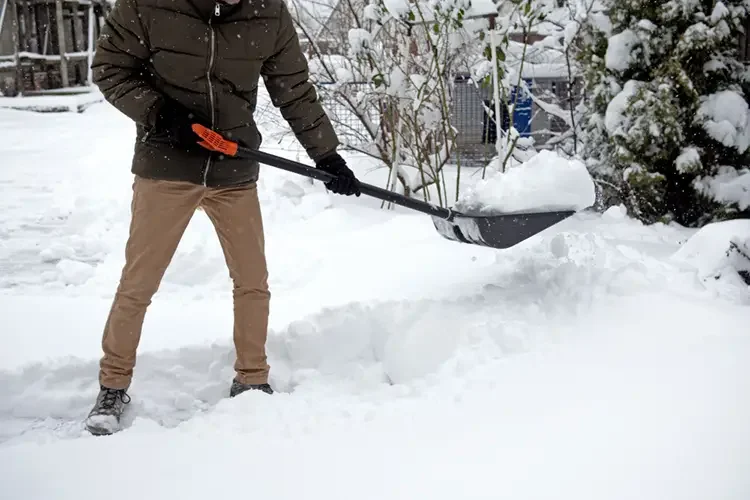
Back Pain After Shoveling Snow? Here’s What to Do
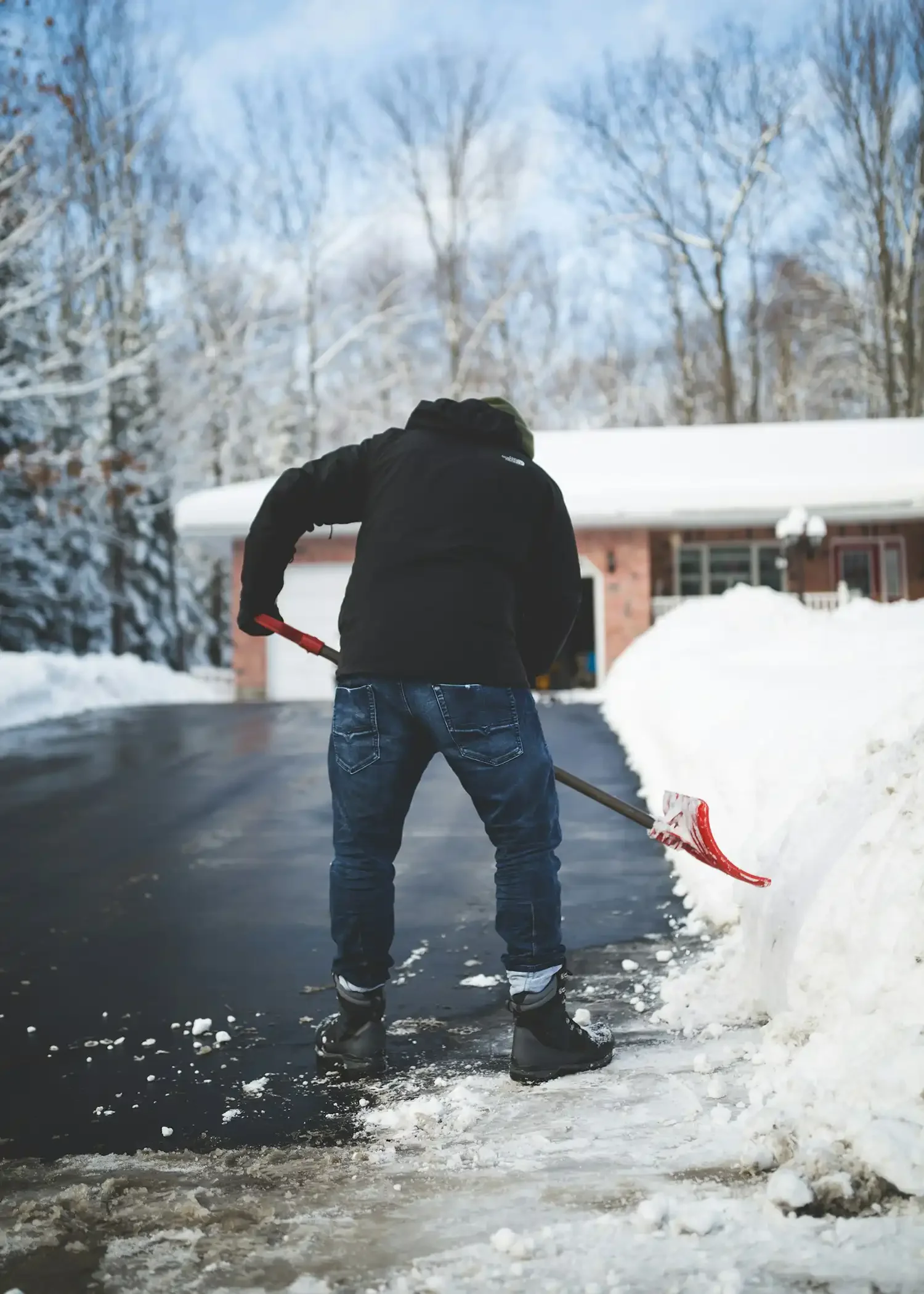
Man shoveling snow in winter, a common cause of lower back pain. Photograph: Filip Mroz / Unsplash
The winter landscape is beautiful, but for many, it comes with a hidden cost: acute lower back pain.
As a rehabilitation specialist, I see a significant spike in clinic visits after the first heavy snowfall. Shoveling involves repetitive lifting, twisting, and heavy loading—a "perfect storm" for spinal discs and lumbar muscles.
If you’re feeling the ache today, here is your professional recovery guide.
Immediate Care: The First 48 Hours
Stop and Rest
Don't try to "push through" the pain. If you feel a sharp twinge, stop immediately to prevent a minor strain from becoming a disc herniation.
Ice, Not Heat (Initially)
In the first 24–48 hours, inflammation is the enemy. Apply an ice pack for 15–20 minutes every few hours to numb the area and reduce swelling.
Gentle Movement
Avoid complete bed rest. Micro-movements, like short walks around the house, keep the blood flowing and prevent muscle stiffness.
When to See a Specialist
Most muscle soreness resolves in a few days.
However, seek professional help immediately if you experience:
Pain radiating down your legs (Sciatica).
Numbness or tingling in the feet or "saddle area."
Weakness in your legs or difficulty standing.
Pain that doesn't improve with rest.
Why Does This Happen?
Snow shoveling often forces the spine into flexion (bending forward) combined with rotation (twisting).
This puts immense pressure on the posterior part of your spinal discs. If your core is cold and not properly engaged, the muscles take the hit, leading to spasms.
Professional Techniques to Protect Your Spine
The Hip Hinge
Never bend from the waist. Instead, push your hips back and bend your knees. Let your powerful glutes and quads do the heavy lifting, not your spinal ligaments.
Push over Lift
Treat your shovel like a plow. Pushing snow creates significantly less spinal compression than lifting. If you must move snow to the side, pivot your entire body with your feet rather than twisting your spine.
Keep the Load Close
Hold the shovel with one hand close to the blade. Keeping the weight near your center of gravity reduces the mechanical strain on your lower back.
Micro-Breaks & Extensions
Every 15 minutes, stand up straight and perform gentle back extensions (leaning backward slightly) to counteract the forward-leaning posture of shoveling.
5-Minute Pre-Shoveling Warm-Up
Step 1: March in Place (1 min)
Get your heart rate up and blood flowing to cold muscles.
Step 2: Dynamic Lunges (1 min)
Activate your glutes and quads. Remember, your legs should do the lifting, not your back.
Step 3: Standing Cat-Cow (1 min)
Gently arch and round your back while standing to mobilize the spinal segments.
Step 4: Torso Rotations (1 min)
With feet planted, slowly rotate your upper body. This prepares your spine for the inevitable twisting motions of shoveling.
Step 5: Hamstring Stretches (1 min)
Tight hamstrings pull on your pelvis and strain your lower back. Keep them loose to maintain a healthy posture.
This post is for educational purposes only. Please read our full Medical Disclaimer here.