The Hidden Dangers of Sitting and the Power of Movement
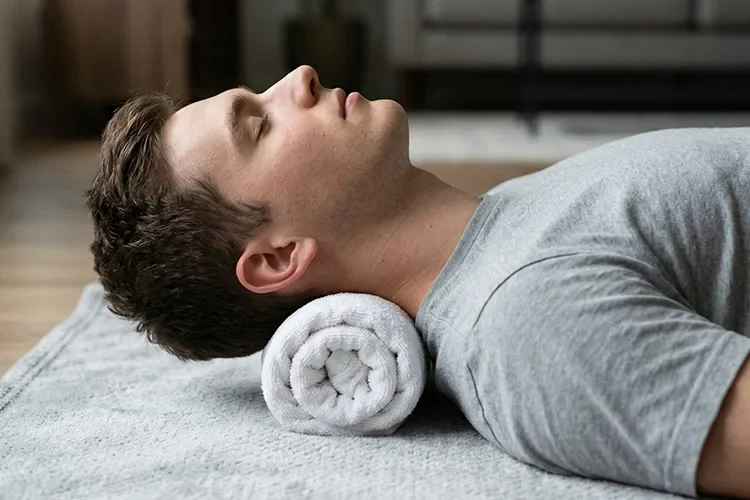
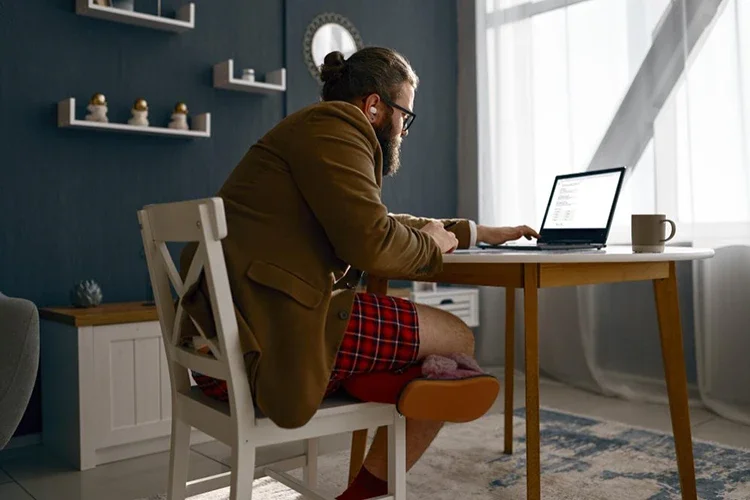
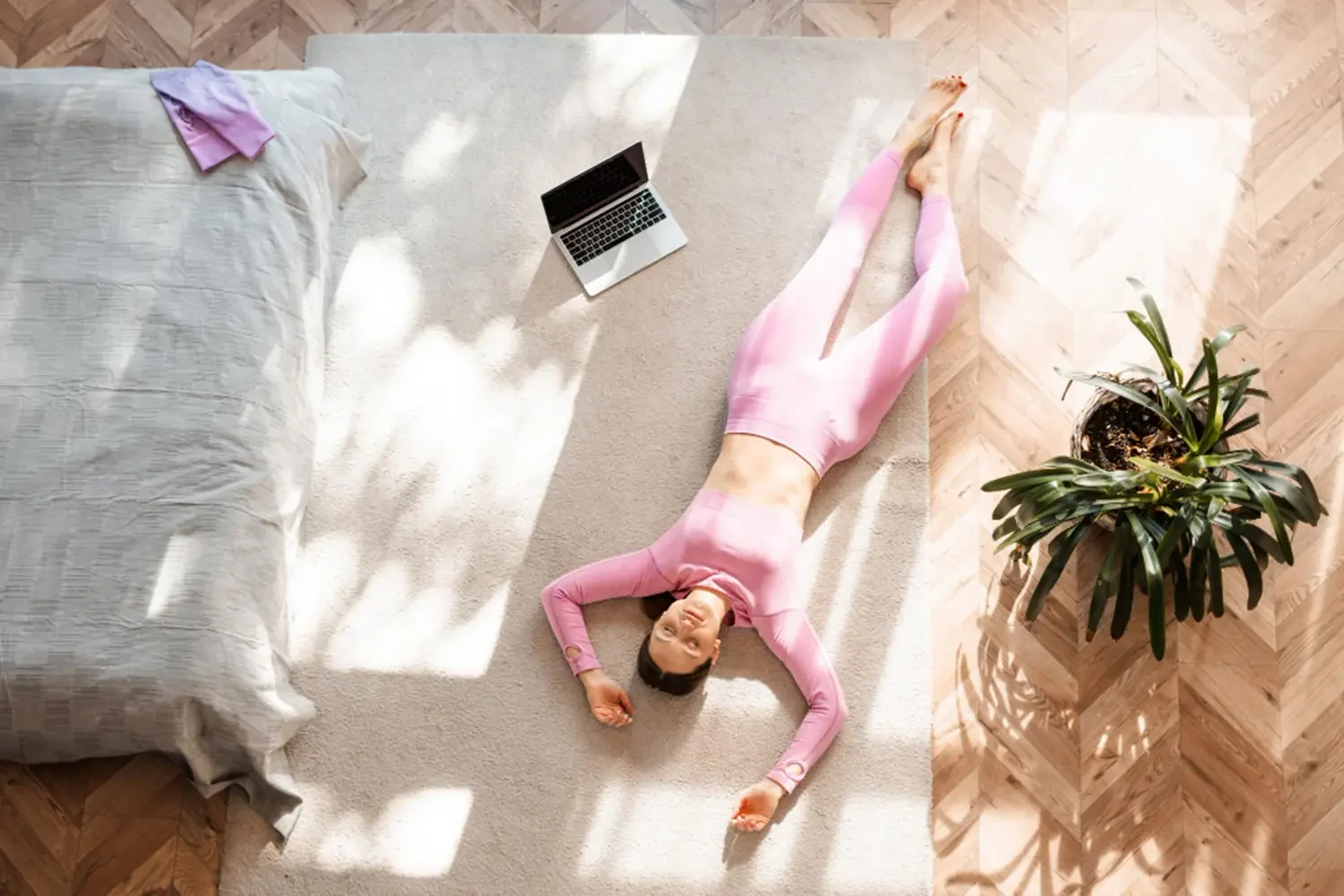
Poor posture can damage your body without you even realizing it. (Image: AI-generated)
Modern life demands that we spend most of our day sitting. However, with the phrase "Sitting is the new smoking" gaining traction, it's clear that prolonged sedentary behavior is a silent threat to our musculoskeletal health.
Why Prolonged Sitting Causes Pain
When you sit, the load on your spinal discs increases by more than 40% compared to standing. Poor ergonomics further exacerbate this, leading to:
Forward Head Posture (Tech Neck)
Leaning toward a screen places immense strain on the cervical spine, causing shoulder tension and headaches.
Pelvic Tilt and Lower Back Pain
Slumping or crossing your legs misaligns the pelvis and flattens the spine's natural curve, increasing the risk of disc issues.
Poor Circulation
Lack of movement slows blood flow, often resulting in leg swelling and decreased metabolic rates.
Standing Desks: A Smart Investment in Longevity
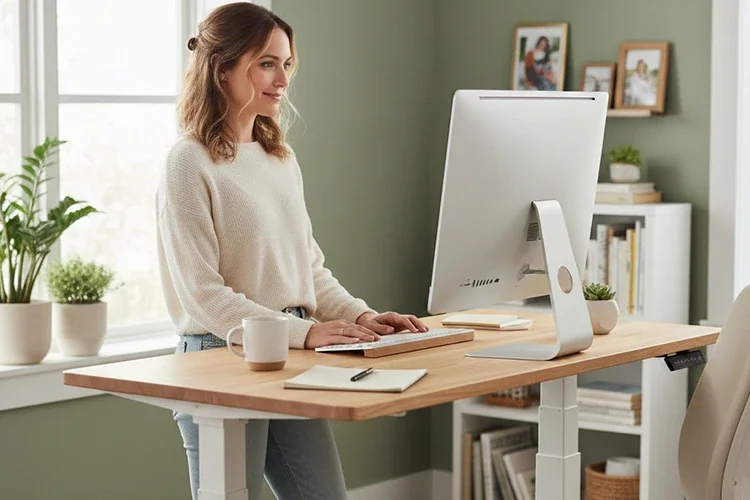
Incorporating a standing desk into your home office helps maintain spinal health and boosts energy levels. Notice the ergonomic alignment of the screen and elbows. (Image: AI-generated)
The most effective way to combat "sitting disease" is to create an environment that encourages movement. Height-adjustable desks (Standing Desks) offer significant benefits:
Relieving Spinal Pressure
Standing naturally redistributes the weight on your lumbar discs, providing immediate relief for the lower back.
Active Muscle Engagement
Standing engages your core and leg muscles, preventing the muscle atrophy and stiffness associated with sitting all day.
Boosted Focus and Energy
Changing your posture improves oxygen flow to the brain, helping you stay alert and productive while avoiding the "afternoon slump."
Simple Habits for a Pain-Free Day
The 90-90-90 Rule
Adjust your setup so your knees, hips, and elbows are all at 90-degree angles.
The Power of Alternating
The gold standard is to alternate between positions—aim for 45 minutes of sitting followed by 15 minutes of standing.
Eye-Level Alignment
Keep your monitor at a height where your gaze falls naturally on the top third of the screen.
Pain is your body’s way of communicating that it needs a change. Improving your workspace ergonomics isn't just about avoiding discomfort; it’s about investing in your long-term vitality. Why not stand up and stretch right now?
This post is for educational purposes only. Please read our full Medical Disclaimer here.