Sciatica vs. Piriformis Syndrome: Understanding Lower Body Pain and Numbness
Learn to differentiate between a herniated lumbar disc and piriformis syndrome by understanding their unique symptom triggers, essential for a successful non-surgical recovery plan. (Image: AI-generated)
When you feel a sharp, shooting pain traveling from your lower back down to your toes, the first thing that usually comes to mind is a herniated disc.
This radiating pain, often called sciatica, is a common reason people seek professional medical help.
However, many individuals are surprised to learn that the spine is not always the culprit. In a significant number of cases, the source of the agony is actually located deep within the buttock area, caused by a small but powerful muscle known as the piriformis.
This condition is called piriformis syndrome, and while it mimics a disc injury, the treatment approach is fundamentally different. Distinguishing between these two is the first step toward finding lasting relief and avoiding unnecessary procedures.
The Hidden Culprit Behind Leg Numbness
The sciatic nerve is the longest and thickest nerve in your body, and it passes right by or even through the piriformis muscle.
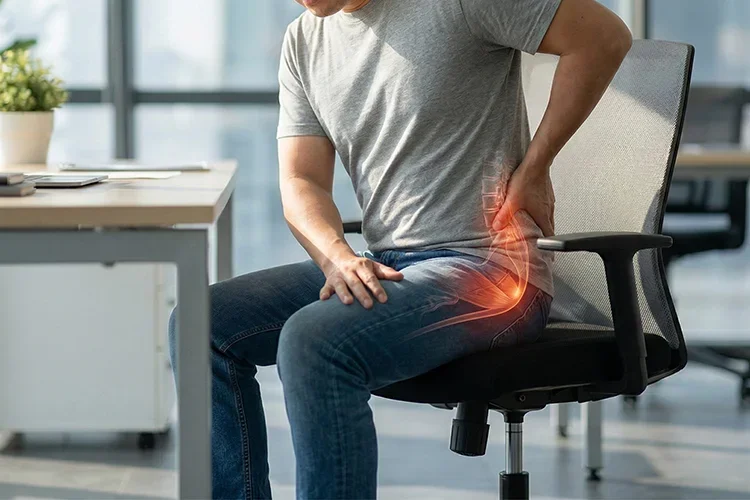
When this muscle becomes tight, inflamed, or spasms due to long hours of sitting or repetitive strain, it compresses the nerve.
This leads to tingling, numbness, and a dull ache that feels almost identical to a lumbar disc issue. If you are a long-distance driver or someone who sits at a desk for 8 to 10 hours a day, your piriformis muscle is under constant pressure.
Over time, this lack of movement causes the muscle to shorten and harden, creating a trap for the sciatic nerve that results in persistent lower body discomfort.
Identifying the Source of Your Pain
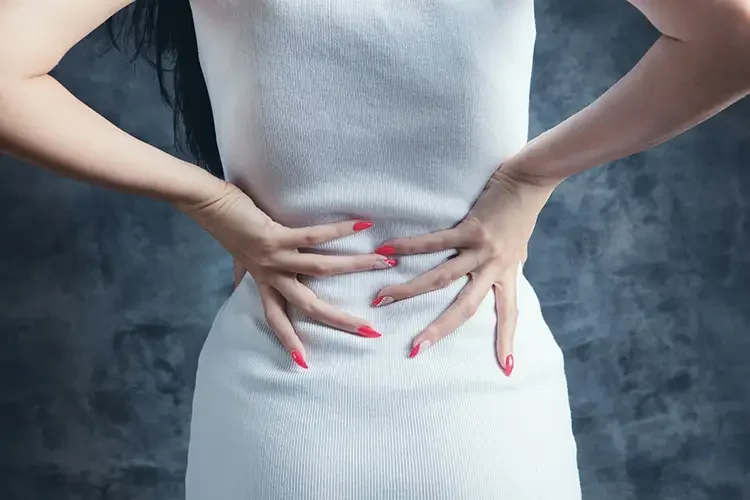
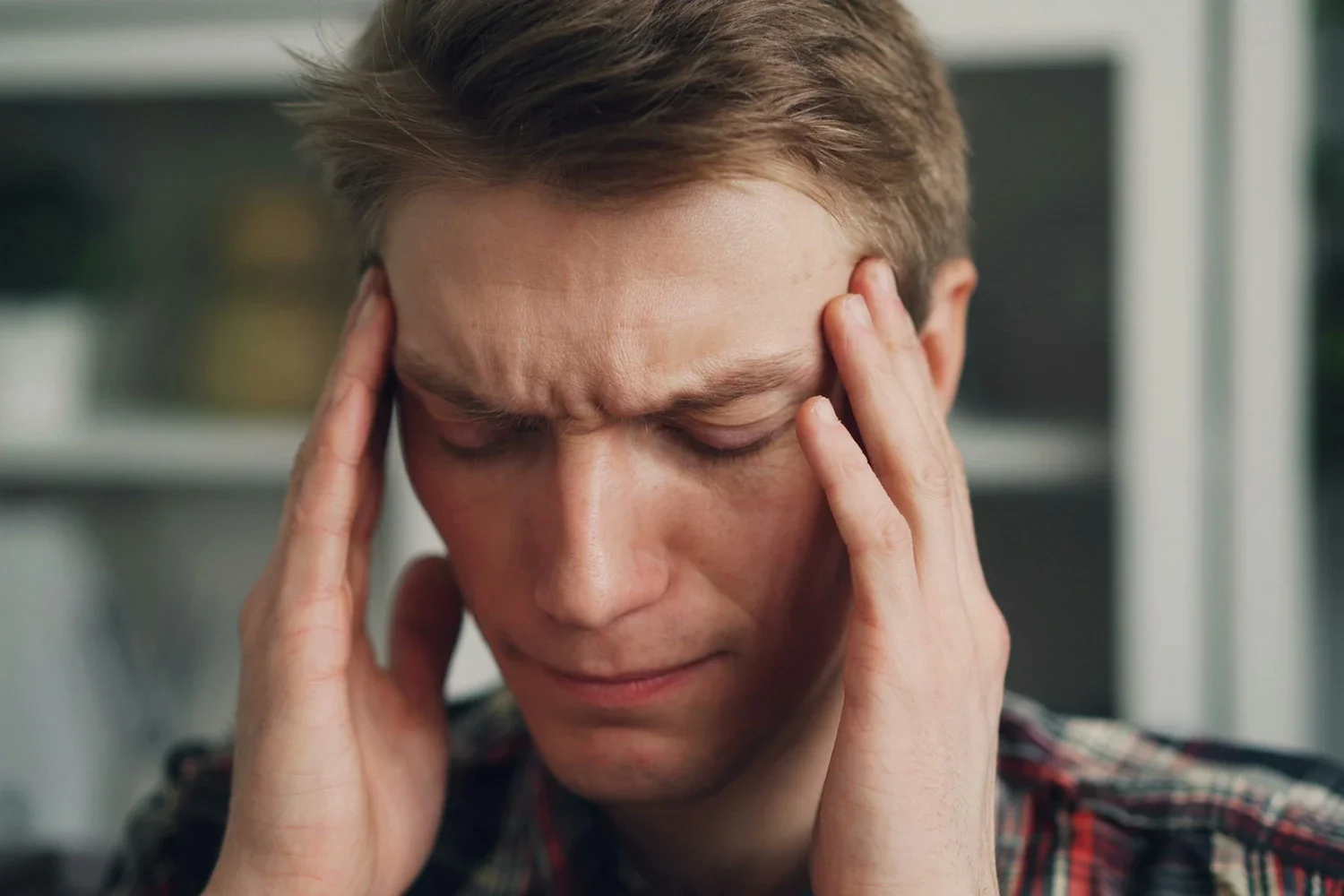
Identifying the root cause of your pain starts with observing how your body moves during daily tasks. Photograph: Sasun Bughdaryan/ Unsplash
Determining whether your pain originates in the lower spine or the hip requires paying close attention to your daily movements and specific symptoms.
While both conditions involve the sciatic nerve, they respond differently to physical triggers.
If your pain worsens when you cough, sneeze, or lift heavy objects, it is more likely related to a lumbar disc herniation.
On the other hand, if sitting on hard surfaces or climbing stairs feels like a direct hit to your buttock, the piriformis is the probable suspect.
Pain during prolonged sitting is a hallmark of piriformis syndrome, often described as a deep ache in the center of the buttock.
Lower back tenderness usually accompanies a herniated disc, whereas piriformis pain is typically concentrated below the waistline.
Increased discomfort when rotating the hip or crossing your legs often points toward a muscular entrapment rather than a spinal one.
If the pain and the "pins and needles" sensation skip the lower back and start directly in the thigh or calf, this is frequently associated with piriformis issues.
The Importance of Restoration and Movement
The good news is that both conditions often respond exceptionally well to non-surgical intervention when addressed early.
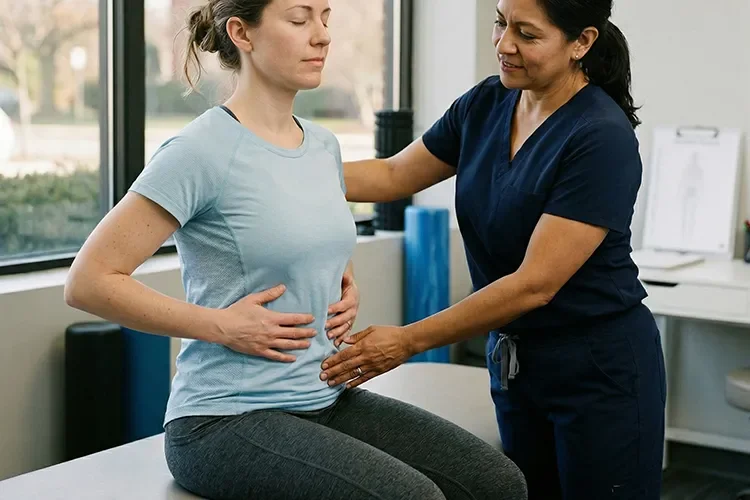
For piriformis syndrome, the focus is on releasing the tension that holds the nerve captive. This involves targeted soft tissue therapy and specific stretching protocols that lengthen the muscle fibers.
For a herniated disc, the goal is to reduce inflammation around the spinal nerve root and improve core stability. Ignoring these symptoms can lead to chronic nerve damage, making it vital to implement a structured recovery plan that addresses the root cause rather than just masking the pain with medication.
Evidence-Based Recovery Strategies
Modern pain management focuses on a multi-modal approach to restore function without relying on invasive surgery.
Soft tissue release techniques can manually deactivate the trigger points within the piriformis muscle, providing immediate decompression for the nerve.
Additionally, neuromuscular re-education helps retrain your body to use the correct muscle groups during movement, preventing the recurrence of strain.
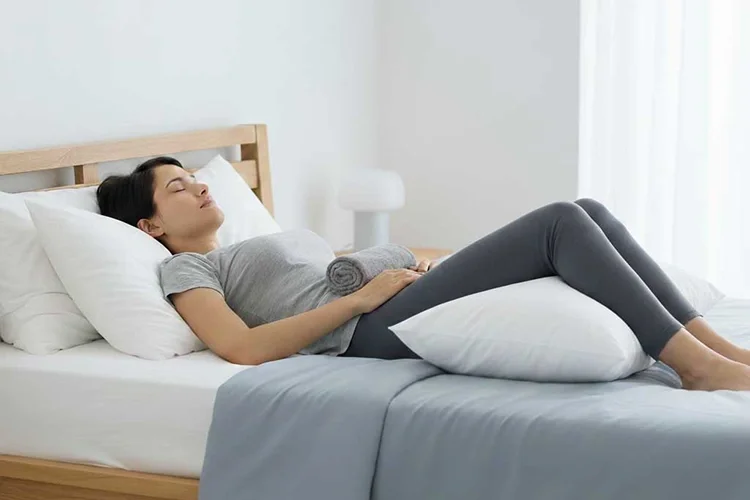
Postural adjustments are also crucial, especially for those who spend a significant portion of their day in a seated position.
By improving the alignment of the pelvis and spine, you can significantly reduce the mechanical stress placed on both the discs and the surrounding musculature.
This post is for educational purposes only. Please read our full Medical Disclaimer here.