Why Your Jaw Clicks and What It Really Means
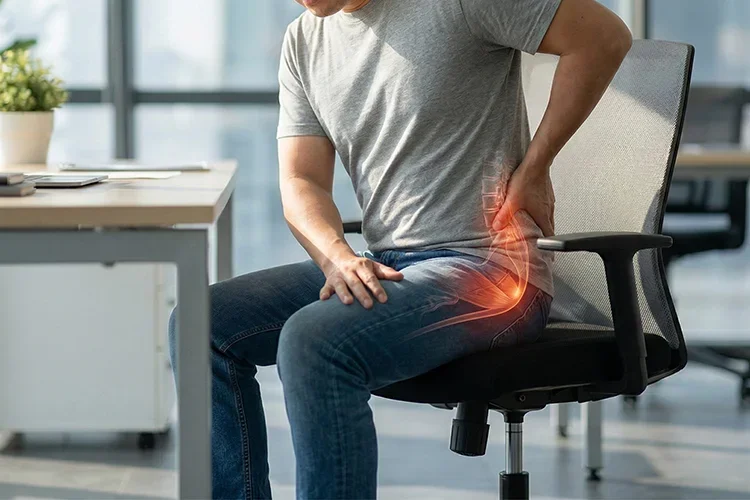
Understanding the early signals of jaw discomfort is the first step toward reclaiming your long-term mobility and quality of life. (Image: AI-generated)
That persistent clicking in your jaw or the dull ache that creeps up your face after a long day of work is rarely a random occurrence.
For many adults, these symptoms point to Temporomandibular Joint (TMJ) disorder. While it might feel like a dental problem, TMJ issues are frequently rooted in the complex relationship between your muscles, nerves, and skeletal alignment.
The TMJ acts like a sliding hinge that connects your jawbone to your skull. It is one of the most frequently used joints in the body, facilitating everything from speaking and chewing to yawning.
When this delicate system falls out of balance, the resulting pain can radiate through your head, neck, and even your shoulders.
Common Signs of TMJ Dysfunction
Identifying TMJ disorder early can prevent chronic discomfort.
Many people overlook the symptoms because they appear in areas other than the jaw itself. You should pay close attention if you experience any of the following:
A noticeable popping or clicking sound whenever you open or close your mouth.
Persistent tenderness or pain in the jaw area that feels worse in the morning or after meals.
Chronic headaches or earaches that do not have a clear internal ear cause.
A sensation of the jaw locking or having a limited range of motion when trying to eat.
Unexplained ringing in the ears (tinnitus) or pressure behind the eyes.
The Biological Causes Behind the Tension
It is a mistake to assume jaw pain is only about the jaw. The human body is an interconnected network, and TMJ discomfort often originates elsewhere in the musculoskeletal system.
Stress and Bruxism
Emotional stress often manifests physically. Many people unconsciously clench their teeth or grind them during sleep, a condition known as bruxism.
This constant pressure exhausts the jaw muscles and inflames the joint tissues, leading to long-term wear.
The Posture Connection
Modern lifestyle habits, specifically "forward head posture" from screen use, are leading contributors to jaw pain.
When your head leans forward, it creates a mechanical strain on the muscles under your chin. This tension pulls the jaw backward and out of its natural alignment.
Cervical Spine Issues
The nerves and muscles of the jaw are closely linked to the upper cervical spine (neck).
If your neck is misaligned or stiff, it can alter the way your jaw tracks, leading to friction and the characteristic clicking sound.
Evidence-Based Non-Surgical Strategies
The majority of TMJ cases respond well to conservative, non-surgical interventions.
By addressing the mechanical imbalances in the body, you can achieve relief without invasive procedures.
Manual Therapy
Specialized techniques focus on releasing trigger points in the masseter and temporal muscles to restore flexibility and blood flow.
Joint Mobilization
Gentle movement of the jaw and upper neck can help restore proper nerve function and reduce structural tension.
Postural Correction
Aligning your spine correctly during the day significantly reduces the mechanical strain on your jaw joints.
Therapeutic Exercises
Specific movements designed to strengthen supporting muscles help the jaw track more smoothly and prevent future misalignment.
Daily Habits for Immediate Relief
While professional evaluation is important for chronic issues, small changes in your daily routine can provide significant comfort:
The "Resting Position"
Keep your teeth slightly apart and your tongue resting gently on the roof of your mouth to prevent clenching.
Temperature Therapy
Apply a warm compress to the side of your face to relax hyperactive muscles or an ice pack to reduce acute inflammation.
Dietary Adjustment
Avoid excessively chewy or hard foods during painful flares to give the joint a much-needed "mechanical vacation."
Ergonomic Awareness
Ensure your computer monitor is at eye level to prevent the neck strain that pulls on your jaw.
Consult for a Night Guard
If you wake up with jaw soreness or a morning headache, you may be grinding your teeth at night. It is important to see a dentist for a professional evaluation and a custom-fitted night guard. Avoid generic, over-the-counter options, as an ill-fitting guard can sometimes worsen jaw alignment and increase discomfort.
Final Thoughts
Living with chronic jaw pain can be exhausting, but it is a manageable condition. By looking at the body as a whole and addressing the link between your neck, posture, and stress, you can regain comfort and function.
Understanding these connections is the first step toward a more comfortable, pain-free life.
This post is for educational purposes only. Please read our full Medical Disclaimer here.