Lower Back Pain Relief for Golfers – Returning to the Course Safely
Credit: Sincerely Media / Unsplash
Golf is a game of patience, precision, and passion. There is nothing quite like a quiet morning on the green. However, the repetitive rotation of a golf swing can put a unique strain on the body, especially the lower back. If a dull ache appears after the 18th hole or a sharp pull is felt during a follow-through, it is important to know that these experiences are common and there are gentle ways to find relief.
Understanding Why Golf Affects The Back
The human spine is a marvel of engineering, but it isn't always designed for the high-speed, one-sided twisting that a golf swing requires. When a club is swung, the lumbar spine undergoes significant rotational force. Over time, this repetitive motion can lead to small tears in the muscles or even shifts in the discs that cushion the vertebrae. It is quite common for golfers to experience mechanical back pain, which often stems from muscle imbalances or stiff joints that are not used to that specific range of motion.
Listening to The Quiet Signals of The Body
Many dedicated golfers tend to play through discomfort, thinking it is just a natural part of aging or a sign of a good workout. While a little muscle soreness is normal, certain signs suggest the body might benefit from professional attention. A decrease in morning flexibility or a slight tingling that travels down toward the hip are not just inconveniences. These are simply the body's way of asking for a tune-up before a small issue becomes a larger hurdle that keeps one away from the game.
Gentle Paths to Recovery and Strength
The good news is that most golf-related back issues do not require invasive surgery. Modern pain management focuses on supporting the natural healing process through conservative and thoughtful care. Starting the day with a few mindful morning stretches can prepare the nervous system and muscles for the physical demands of a 18-hole round. By focusing on targeted physical therapy and non-surgical treatments, inflammation can be reduced, giving the tissues the space they need to breathe and recover.
A typical recovery plan might include a few key elements to help regain a smooth swing:
Improving hip mobility to take the rotational pressure off the lower spine.
Strengthening the deep core muscles that act as a natural brace for the back.
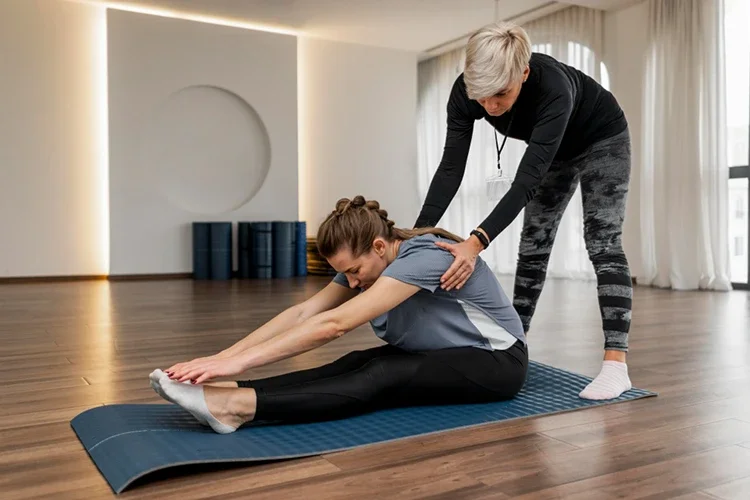
Utilizing specialized stretches that counteract the one-sided nature of the golf swing.
Applying localized treatments to calm irritated nerves and reduce swelling.

Credit: Soheb Zaidi / Unsplash
Simple Movements to Protect The Back During Daily Life
Small habits often lead to big changes in physical comfort. Incorporating a few gentle movements into a daily routine can help keep the spine resilient without needing any special equipment. For those who spend a lot of time at a desk between rounds, performing simple seated exercises throughout the workday can prevent the stiffness that often translates into pain on the course.
The Cat-Cow Stretch: While on hands and knees, slowly arching the back toward the ceiling and then gently dipping it toward the floor helps lubricate the spinal joints.
The Glute Bridge: Lying on the back with knees bent and slowly lifting the hips toward the ceiling strengthens the muscles that support the lower back during a swing.
Seated Spinal Twist: Sitting tall and gently rotating the upper body while holding the side of a chair can improve the mobility needed for a smooth follow-through.
Hip Flexor Stretch: Kneeling on one knee and leaning forward slightly opens up the hips, which often become tight from long periods of sitting or walking the course.
Preparing for The Next Great Round
Recovery is a journey, and it often starts with simple adjustments to the approach of the game. Considering a slightly shorter backswing while healing or spending a few extra minutes warming up muscles with dynamic movements can make a significant difference. Health is the foundation of performance. Taking the time to address discomfort now means looking forward to many more years of walking the fairways without hesitation. Prioritizing spinal health today ensures that the future on the course remains bright and pain-free.
A Focus on Long-term Wellness
Seeking support for physical comfort is a thoughtful step toward long-term enjoyment of the game. The focus is always on understanding each unique movement pattern and finding a recovery path that feels natural and sustainable. Whether playing at a competitive level or simply enjoying the social connection of a weekend round, every golfer deserves to move without hesitation. Finding a gentle balance between rest and active recovery is the real secret to staying healthy and happy on the course for years to come.
This post is for educational purposes only. Please read our full Medical Disclaimer here.