How to Safely Return to Sports and High-intensity Training After a Back Injury
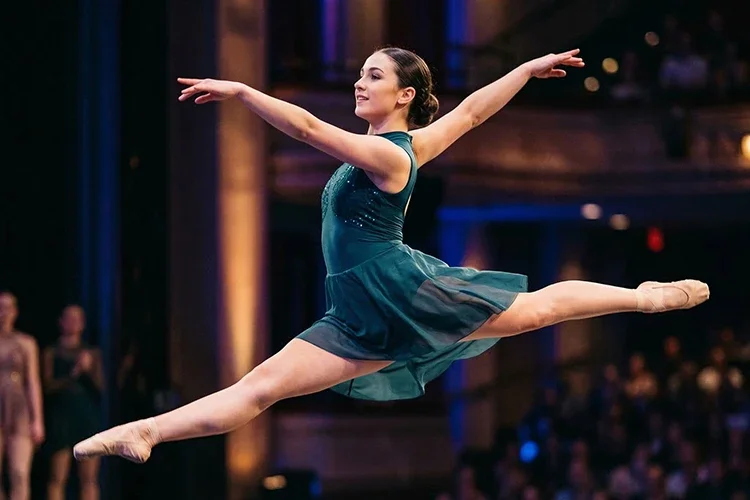
Visualizing the kinetic chain integration for a safe return to high-impact sports after a spinal injury. (Image: AI-generated)
The most significant barrier to returning to the field isn't always the physical damage in your spine. It is often a psychological phenomenon called kinesiophobia, which is a fancy way of saying an irrational fear of movement.
When you have experienced sharp, debilitating back pain, your brain creates a "protective memory." Even after the tissues have healed, your brain might keep sending pain signals simply because it is trying to protect you from a perceived threat.
To successfully navigate sports physical therapy for back pain, we have to retrain the brain's alarm system. If you spend all your time avoiding movement, your brain stays in a high-alert state.
By slowly introducing varied movements, we show the nervous system that your spine is actually stable and capable. This process is about moving from a state of "fragility" back to a state of "athletic confidence."
The Science of Load Management Finding Your Sweet Spot
In the world of sports medicine for back injuries, we no longer recommend total bed rest. In fact, lying down for too long can make your back stiffer and weaker. Instead, we use a strategy called Load Management. Think of "load" as the total amount of stress—weight, speed, and duration—that you put on your body during exercise.
The goal is to find your "sweet spot." This is the level of activity that is challenging enough to make you stronger but not so intense that it causes a major flare-up. A great way to monitor this is the 24 hour response rule. If you try a new exercise and your discomfort returns to its normal baseline within 24 hours, you have managed the load well. However, if the pain lingers or gets worse the next day, it is a signal to dial back the intensity slightly. This incremental approach is the secret to preventing re-injury in high impact sports.
Redefining Core Stability Beyond the Six Pack
When people hear "core," they often think of the visible six-pack muscles. But for an athlete returning from a spinal injury, the deep stabilizers are much more important. We focus on Anti Rotation and Anti Extension strength. This means training your torso to stay rock solid and resist unwanted movement while your arms and legs are moving powerfully.
For example, when a golfer swings a club or a pitcher throws a ball, the spine has to handle immense rotational forces. Effective back pain exercises for athletes include movements that improve stability and coordination. These aren't about burning calories; they are about teaching your "internal brace"—the deep muscles that wrap around your spine—to fire at the right millisecond. This stability creates a safe foundation for you to generate power without putting a 100 lbs (45.4 kg) of unnecessary pressure on your lumbar discs.
The Kinetic Chain Why We Look at Your Hips and Shoulders
Your spine doesn't work in isolation. It is part of a Kinetic Chain, which is the idea that all your joints and muscles are linked like links in a bicycle chain. Often, a back injury happens because another part of the chain isn't doing its job. If your hips are stiff or your mid-back (thoracic spine) doesn't move well, your lower back has to move extra to compensate.
During a professional movement analysis for athletes, we look for these "energy leaks." By improving the mobility of your hips, we take the mechanical stress off your lower back. This holistic view is why a specialist might have you stretching your glutes or strengthening your shoulders to fix a problem in your spine. It is about making the whole system more efficient so the back doesn't have to overwork.
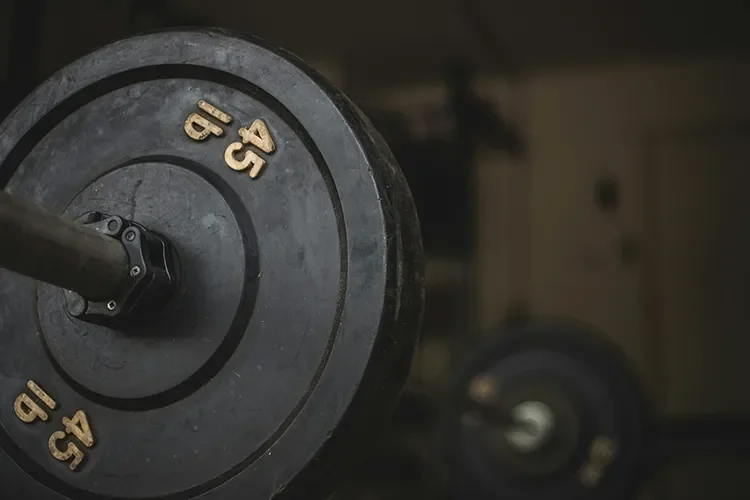
This visual signifies the critical shift to objective loading that builds the structural resilience needed for high-level athletic performance. Photograph: Delaney Van / Unsplash
The Safe Return to Play Protocol A Step by Step Ladder
You cannot go from the couch to a full contact game in one day. A safe return to play protocol is a structured ladder that ensures each step is solid before you climb higher.
Foundation Phase
This involves low impact conditioning like walking or swimming to keep your heart healthy without jarring your spine.
Strength Phase
We introduce resistance training. We might start with a 45 lbs (20.4 kg) barbell to ensure your form is perfect before moving toward your pre injury weights of 150 lbs (68 kg) or more.
Power and Agility Phase
This is where we add speed. We practice jumping, landing, and changing direction in a controlled environment.
Sport Specific Phase
You return to practice but without contact. A soccer player might do dribbling drills; a basketball player might practice free throws and light layups.
Full Clearance
You return to full intensity competition only after passing specific strength and psychological readiness tests.
Trusting the Process for Long Term Performance
Recovery is rarely a straight line. There will be days when you feel great and days when you feel a bit stiff.
The key is to stay consistent and not let minor setbacks discourage you. By focusing on spinal stabilization and proper mechanics, you aren't just "fixing" a back problem… you are building a more resilient, athletic body.
If you are ready to stop guessing and start a structured path back to your sport, it is time to consult a back pain specialist for athletes. With the right guidance, your best performance could still be ahead of you.
This post is for educational purposes only. Please read our full Medical Disclaimer here.