How Proper Hydration Accelerates Your Injury Recovery and Enhances Rehabilitation Outcomes
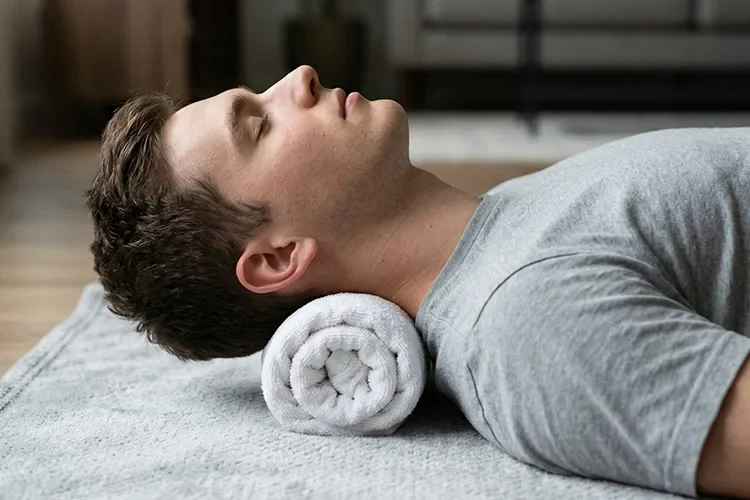
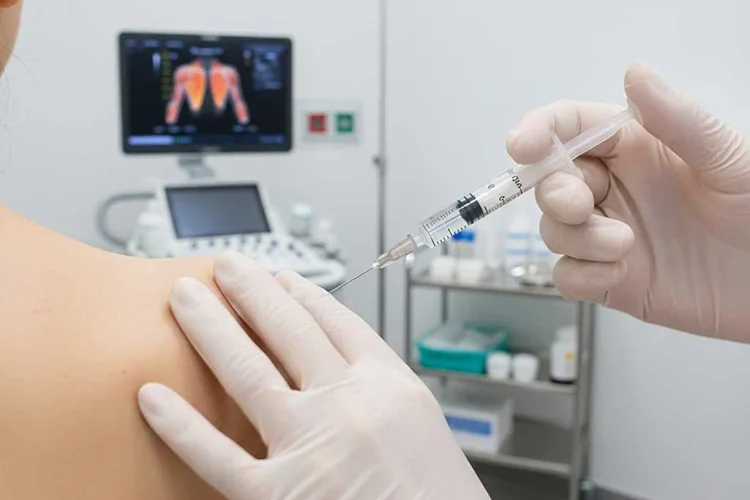
Maintaining optimal hydration levels fuels your body’s natural healing mechanisms and accelerates rehabilitation. (Image: AI-generated)
The moment an injury occurs, the body immediately switches into a natural healing mode to begin repairing itself. While most people naturally focus on physical therapy or medication to recover, they often overlook the most fundamental fuel the body requires which is simple water.
Water is actually far more than just a beverage because it creates the essential environment that the body needs to overcome an injury and rebuild damaged structures.
Why the Body Needs Water for Natural Tissue Repair
When tissues are damaged, cells require nutrients and oxygen to create new tissue. Blood serves as the primary transport system for these resources, and optimal hydration ensures that blood flows smoothly to deliver these vital supplies to the injured site quickly.
Dehydration can cause blood to become more viscous, slowing down circulation and, consequently, delaying the arrival of the building blocks needed for recovery.
Furthermore, the healing process naturally produces inflammatory byproducts and waste at the site of the injury. Water plays the role of a cleanser, flushing these substances out of the body. Adequate hydration helps efficiently discharge metabolic waste, reducing swelling at the injury site and significantly assisting in pain management. Providing the body with a clean environment allows it to focus entirely on the healing process.
The Power of Hydration in Maintaining Joint and Cartilage Elasticity
For those dealing with joint injuries in areas like the knees or shoulders, understanding the importance of hydration is crucial. Cartilage, which cushions the joints, is remarkably composed of about 80 percent water.
Sufficient hydration keeps the cartilage moist and resilient, reducing the burden on joints during rehabilitation exercises. Conversely, in a state of dehydration, cartilage can become stiff, increasing friction and potentially worsening pain during the recovery process.
Maintains the proper consistency of synovial fluid to support smooth movement.
Increases the flexibility of ligaments and tendons to prevent secondary injuries during rehab.
Supports the structural stability of tissue by maintaining proper internal cellular pressure.
A Smart Guide to Hydration for Enhanced Healing Results
How much water should be consumed during the recovery period? Generally, for adults, 64 ounces (approximately 1.9 liters) to 80 ounces (approximately 2.4 liters) per day is recommended during normal activities. However, when the body is expending extra energy for injury recovery, it is wise to monitor fluid intake even more closely.
Rather than drinking large amounts at once, consuming a small glass of water every hour or two is more effective for increasing absorption rates.
It is advisable to choose pure water or light teas over highly caffeinated coffee or sugary drinks to help the body utilize the fluid directly for repair. Sugary beverages can sometimes stimulate inflammatory responses, so it is best to avoid them during the healing period. If urine color is clear or a very pale yellow, it is a positive sign that the body is being adequately hydrated.
An injury is a time to pause, but it is also a valuable opportunity to understand and care for the body more deeply.
We encourage you to prioritize the habit of drinking water frequently to experience a faster and more comfortable recovery starting today.
This post is for educational purposes only. Please read our full Medical Disclaimer here.