When to Seek Medical Attention After a Car Accident: Signs You Shouldn’t Ignore

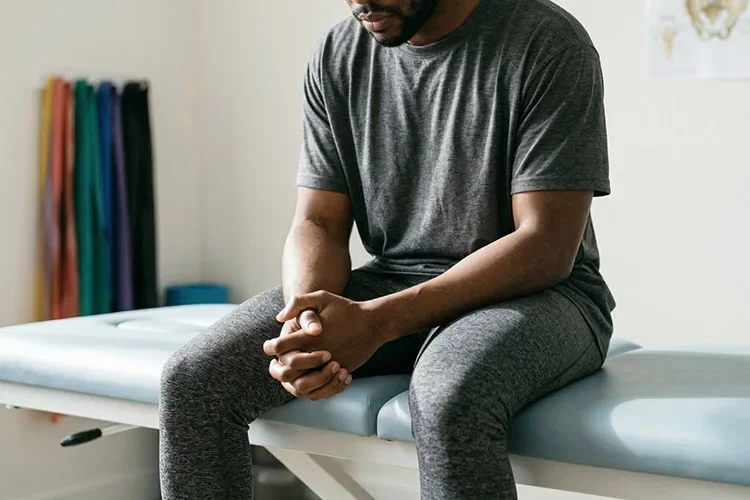
A woman cautiously touching her neck after a minor car accident, showing uncertainty about her pain and emphasizing the importance of monitoring symptoms. Photograph: Teslariu Mihai / Unsplash
It’s easy to assume that if you feel okay after a car accident, nothing is wrong. But some injuries, such as whiplash, soft tissue damage, or minor internal injuries, may not show symptoms immediately.
Knowing when to seek medical attention can prevent complications and ensure a faster, safer recovery.
Even if you feel fine after a minor accident, it’s a good idea to get checked by a healthcare professional—some injuries appear days or weeks later.
Why Some Injuries Don’t Show Immediately
Whiplash
Neck injuries often cause stiffness or pain only after inflammation develops.
Soft Tissue Strains
Muscles, ligaments, and tendons can be injured but masked by adrenaline.
Concussions or Head Injuries
Mild brain injuries may not cause immediate symptoms but can worsen over time.
Internal Injuries
Small internal bruising or bleeding might be unnoticed at first.
Signs You Should See a Doctor
Persistent or worsening neck, back, or shoulder pain
Headaches or dizziness
Tingling, numbness, or weakness in arms or legs
Fatigue, nausea, or general malaise
Any symptom that doesn’t improve after a day or two
Trust your instincts. If something feels off, even mildly, it’s better to get checked.
What You Can Do in the Meantime
Rest
Give your body time to recover. Avoid strenuous activity immediately.
Gentle Movement
Light stretching can reduce stiffness.
Pain Management
Over-the-counter pain medication can help, but follow package directions or doctor advice.
Monitor Symptoms
Keep a log of any pain or discomfort to share with your healthcare provider.
Conclusion
Even minor car accidents can result in hidden injuries. Knowing when to seek medical attention—and not ignoring mild or delayed symptoms—is key to preventing long-term problems. Remember: if something doesn’t feel right, get checked.
This post is for educational purposes only. Please read our full Medical Disclaimer here.