Can Stress Cause Muscle Pain? The Science Behind Tension and Aches

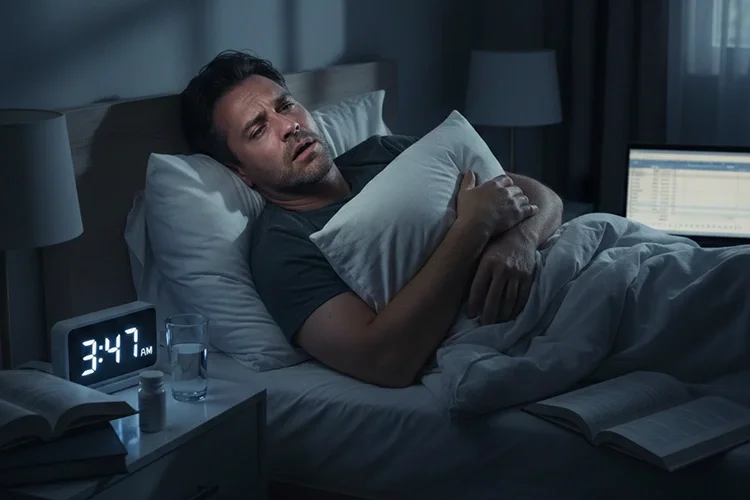
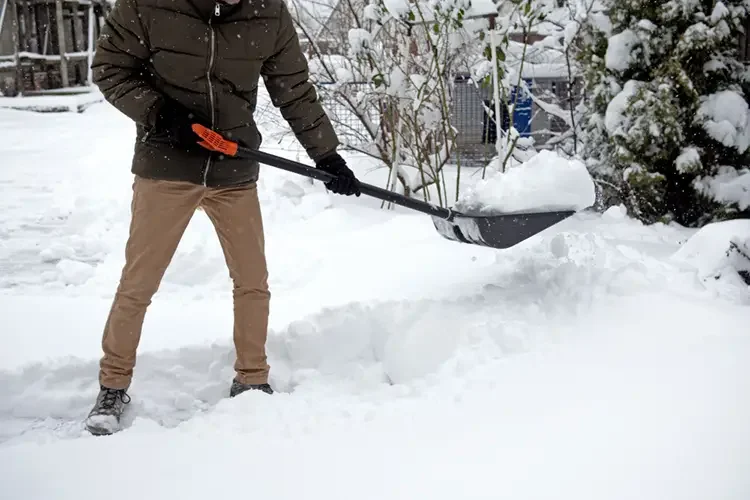
Feeling the strain: Chronic stress from overwork can lead to both mental burnout and physical muscle tension.
How Stress Affects Your Muscles
Do you feel a heavy tightness in your neck or shoulders after a long, demanding day? You're not imagining it.
Stress activates your body's primitive “fight or flight” response, releasing a flood of hormones like cortisol and adrenaline. These hormones are designed to prepare your muscles for immediate action by tightening them—essentially creating a physical shield to protect your vital organs.
The problem with modern life is that this stress is often relentless. Without a clear signal that the "danger" has passed, your brain keeps the emergency switch on, leaving your muscles stretched like a bowstring pulled tight 24/7. This state, known as "Muscle Bracing," is what eventually turns temporary soreness into chronic tension, pain, and inflammation.
Common areas where your body "holds" stress:
Neck and Shoulders: The areas most sensitive to emotional shifts.
Upper and Lower Back: Often due to poor posture driven by tension.
Jaw (TMJ disorders): Unconscious clenching that disrupts blood flow.
Head (Tension Headaches): A 'domino effect' starting from the neck and scalp muscles.
Ways to Relieve Stress-Related Muscle Pain
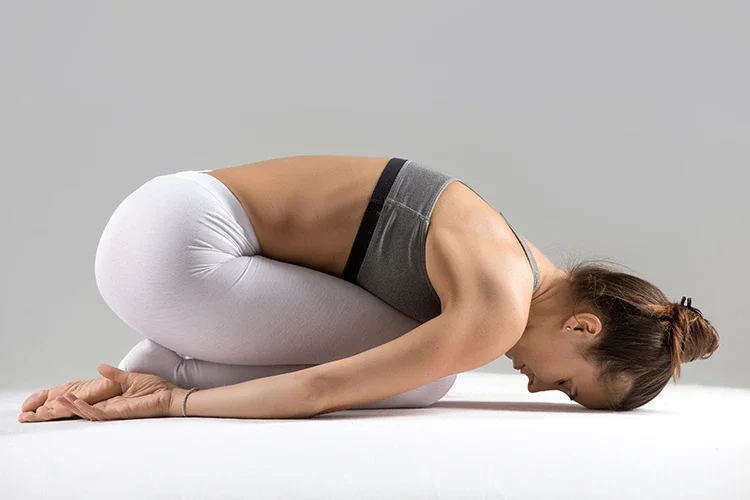
The child’s pose, or Balasana, is a gentle yoga posture that helps release tension in the back, neck, and shoulders—perfect for stress relief.
1. Signal Safety to Your Brain (Mindfulness & Breathing)
True recovery requires more than just lying down; it requires actively telling your nervous system that you are safe.
Deep Diaphragmatic Breathing: Inhaling through the nose and exhaling slowly through the mouth sends an immediate signal to the brain to lower cortisol.
The Jaw Release: Consciously un-clench your teeth and let your tongue rest away from the roof of your mouth. This simple shift can trick your brain into an immediate relaxation state.
2. Active Recovery & Myofascial Release

A soothing massage at home can ease muscle tension caused by stress and promote deep relaxation.
Sometimes, muscles are so "locked" that they need physical intervention to reset.
Professional Care: Chiropractic care or massage therapy doesn't just soothe the muscle; it provides the sensory input your brain needs to "reboot" the nervous system.
Self-Care Tools: Use foam rollers or tennis balls at home to target specific trigger points where tension has crystalized.
3. Nutrition & Sleep

Quality sleep and a nutrient-rich diet—like a simple bowl of granola—are essential foundations for reducing stress and restoring balance to the body.
What you put in your body helps dictate how it responds to stress.
Magnesium & Omega-3s: Magnesium-rich foods (bananas, leafy greens) act as natural muscle relaxants, while Omega-3s (fatty fish, walnuts) help dampen the inflammation caused by chronic stress.
Quality Sleep: This is when your body does its best repair work. Without it, your pain sensitivity increases the following day.
4. Counseling & Emotional Awareness

Talking to a mental health professional can be a powerful step toward managing stress, processing emotions, and improving overall well-being.
Muscle tension is often a physical reflection of mental tension.
Stress Journaling: Tracking your emotional patterns can help you identify which situations trigger your physical "bracing."
Professional Support: Talking with a mental health professional can help you develop healthier responses to stress, preventing it from manifesting as physical pain in the first place.
Healthy Recovery Starts with Listening
If you experience ongoing muscle pain that doesn't seem to go away with rest, it may be time for a more personalized approach. Your pain isn't just "in your head"—it’s a real physical response to the pressures of your life.
Consult with a healthcare professional to create a plan that addresses both the physical tension and the underlying stress, helping you return to a life of comfort and mobility.
This post is for educational purposes only. Please read our full Medical Disclaimer here.